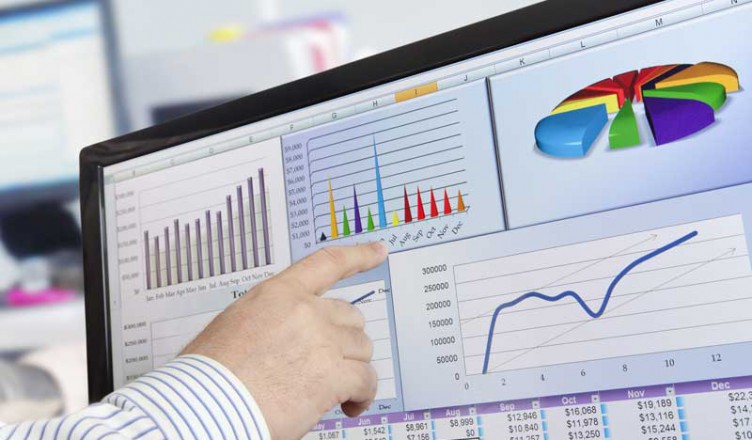
Right now, the big news in terms of business and finance is the financial crisis. 2008 has seen a rather large disturbance in the financial markets, and this has been spreading to all sectors of the economy, and affecting individual businesses. One of the reasons that this financial crisis has been so widespread is due to the interconnectedness of the global economy. Nearly everyone is connected and affected in some way – including businesses.
Importance of credit in the modern business economy
Credit is one of the most important tools in today’s business economy. Credit is your ability to get financing for your business. It is the loans that you get. Many companies need credit – loans – in order to sustain day to day operations. Some of these are short term loans that take place between companies. Other loans are more long term, and come from a bank. These loans bridge the distance between the money you have available now and the money that you will have when others pay what you owe them. Of course, one of the issues right now is this: What if you are not paid the money you are owed? Some businesses are finding that they are not getting payment for goods and services as some of their customers go out of business before paying their debts. Invoice factoring is one option that can help prevent this from happening.
The biggest impact of the financial markets: Access to credit
Access to credit represents one of the biggest challenges to businesses right now. The financial markets are in upheaval, and there is concern about lending. Even large businesses are having trouble getting the capital they need to keep running. Small businesses are feeling the pinch even more. Individual businesses are being impacted by the wariness banks feel to lend. An optioin like invoice factoring is a good alternative.
Part of the reason banks are so reluctant to lend to businesses (and each other as well), is due to the fact that so many businesses have failed. The failures of Bear Stearns, Lehman Brothers and Merrill Lynch have shaken the financial markets. If such institutions can fail, anyone can. Additionally, there are small businesses that are in arrears on their payments – it’s not just residential real estate loans that are defaulting. Commercial real estate, business loans and others are succumbing to stress.
Adding to this stress is the fact that companies continue to lay people off in an effort to cut costs and avoid failure. As more people lose their jobs, consumers stop spending money. This means that they are not spending money at businesses. This may not only affect your business directly, due to fewer customers spending money, but it can also affect the economy at large. As fewer people spend money to keep businesses going, more people have to be laid off. And then even fewer people spend money. It’s a cycle that perpetuates itself.
With worries of defaults on loans already given, coupled with concerns that any company could fold because customers are no longer spending money there, it is little wonder that banks are worried about lending money. But if your business can’t get the capital it needs, then it is difficult to keep operations going. Taking advantage of invoice factoring can help a business get the capital needed while waiting to collect money owed.
Interest rates and your business
Even if you do manage to get the capital you need through financing, there are other problems. Interest rates are higher because of the risk that banks feel are involved. In times of high risk, interest rates go up. It is a way for banks to limit their losses and makes as much money back – just in case a default occurs. So those businesses that are able to get credit are finding that it is more expensive than it used to be.
Higher interest rates result in higher costs for your business. You have to spend more money to get the capital you need, and that means that your operating costs are higher. It is tough, because you need to pass on the costs to customers, but many customers may leave if they feel that prices are too high. This further puts your business in danger.
The economy is making for a volatile business environment. It is important to come up with a plan for how you can survive the current recession, and figure out how you can cut costs and meet your obligations without failing. This is a challenge, but it is possible. Many companies will make it through the recession. If you take the time to chart a course, yours can be one of them. Invoice factoring is just one option.