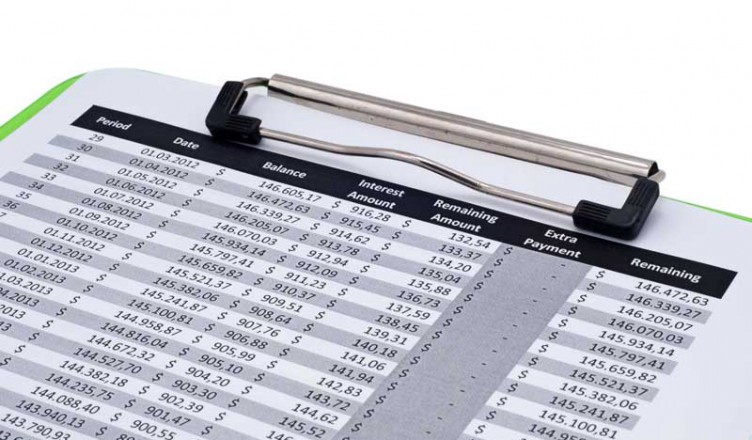
If you have won a judgment in court (or settled out of court), one of your options is to receive a structured settlement. A regular settlement often consists of one lump sum check. However, once you receive that money and spend it, it is gone. Additionally, there are tax consequences of investing the whole lump sum at once. Paying taxes on your returns can reduce the benefit you receive from your lum sum payment. You can end up with less in your pocket.
The structured settlement, on the other hand, allows you a regular source of income from your settlement. Instead of accepting the entire amount at once, you receive it in installments. In many cases, the structured settlement is set up through an annuity payment (insurance companies usually offer these).
You do not purchase the annuity, though. The person who owes you the judgment money does this. He or she (or the company if applicable) usually chooses to buy an annuity that provides you with regular payments. This can be helpful if you would like to know that you will have a regular income, and it can cut down on the temptation to spend a lump sum all at once.
Structured settlement payments
When you receive structured settlement payments, you do so over a specific period of time, and at regular intervals. You can receive payments monthly, quarterly or even yearly. You can decide to have them for a set amount of time, or you can have them for life.
Another consideration is what happens to the structured settlement payments after you die. It is possible to make sure that your family continues to receive the income after you are gone by including benefits for you beneficiaries in the structured settlement.
The main advantage of structured settlement payments is that you have guaranteed income. It may not be a great deal each time the check comes (or the money is direct deposited into your account), but it is regular. It allows a certain stability in your budget planning.
It is also worth noting that with structured settlement payments you do not end up with less money as a result. Usually, you can arrange for the defendant (the person making the payments) to cover the fees and costs associated with setting up the annuity. You still receive the entire amount you are owed through your judgment, but it comes spread out, rather than all at once.
Taxes and structured settlement payments
In addition to the benefit of a regular and reliable income, structured settlement payments also come with tax savings and benefits. With a lump sum, you have to pay taxes on earnings you make from investing the money. This can cut into your earnings, making the lump sum idea less desirable. (And, of course, there is the risk of losing your original investment if things go badly.)
With structured settlement payments, the tax savings can be significant. Indeed, you do not pay taxes on the income from your annuity structured settlement payments. Consult with a knowledgeable tax attorney or accountant before making a decision. It can help to have professional help and advice with regard to accepting a structured settlement.
For many people, structured settlement payments are a good choice. They offer tax savings and the peace of mind that comes with a steady income.