If your business is growing quickly, turns receivables slowly or operates in an industry that banks are traditionally reluctant to lend to, you know that factoring may be your only option to obtain working capital. On the other hand, you may have spent weeks studying all of your options for financing your business and have decided that factoring might be right for you because it is easy, has very little paperwork compared to traditional financing, and is based on the credit of your customers rather than yours. Either way, there are a few things you need to understand about factoring before you jump in head first.
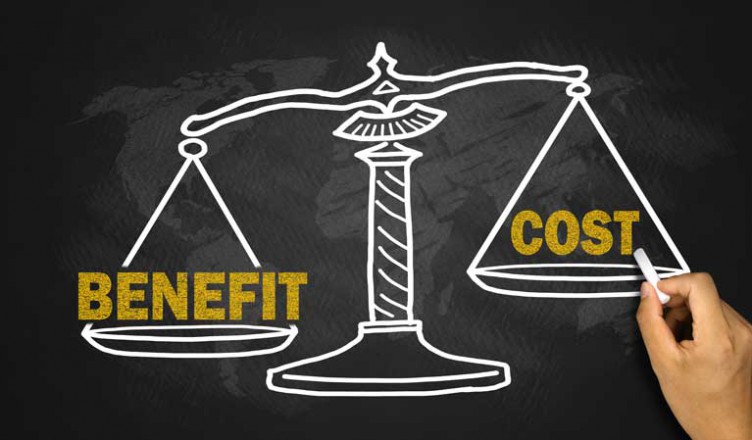
Keep in mind that there are many benefits to factoring. However the first thing you need to know about factoring is that it will generally cost your business more than traditional financing. When a factor buys your invoice at a discount, the discount percentage may not sound too bad. However, keep in mind that the discount rate multiplied by the turn ratio equals the effective interest rate you are paying by factoring. For example, if a factor buys your invoice at a 1.5% discount for 30 days, you are effectively paying 18% interest (1.5% x turn ratio of 12, which is calculated by dividing 30 into 365 days). And obviously the higher the discount rate or the shorter the terms, the effective interest you pay increases.
Second, factoring companies generally don’t explain their fees in terms of interest rates. Technically, factoring fees is not interest; it is a fee. A factor is not going to sit you down and let you know that they are effectively charging you 18, 24 or 36 perecnt interest. It is not in their best interest to do that.
Third, make sure you understand what type of factoring facility you are entering into. Generally, your options will be to factor with or without recourse. If you factor without recourse, once you have sold your invoice to the factor, you are not liable if your customer fails to make payment to the factor. If you factor with recourse and your customer fails to pay the factor, you will most likely be obligated to pay the factor for the invoice or replace it with a new invoice at no cost to the factor. Before entering into a contract with a factor, be sure you understand if you are entering into a recourse or nonrecourse agreement and know exactly what the terms are.
Finally, make sure that when you select a factor to work with you are comfortable with them. Some factors only look out for their own interests and try to take advantage of those who don’t understand the process that well. A good factor will view his relationship with his clients as a partnership. The relationship has to be a win-win relationship. A good, reputable factor will not try and hide the true cost of factoring from his clients and will often times encourage his clients to develop a financial plan so the client won’t have to factor any longer than necessary. A good factor understands that if he treats his clients with fairness and professionalism, his clients will ultimately recommend him to others.
Factoring may be your financing option of choice, or it may be your only option. Regardless of your reason for choosing to factor, it is best to know all the facts and circumstances before entering into a factoring agreement.